Is Soft Washing Safe for Vinyl Siding?
Vinyl siding is one of the most popular exterior materials for homes across the United States—and for good reason. It’s affordable, durable, low maintenance, and available in a wide range of colors and styles. But like any exterior surface, vinyl siding doesn’t stay clean forever.
Over time, dirt, pollen, mildew, algae, mold, bird droppings, and other contaminants build up on the surface. Many homeowners eventually start asking the same question:
Is soft washing safe for vinyl siding?
The short answer is yes—when performed correctly, soft washing is one of the safest and most effective cleaning methods available for vinyl siding.
Unlike traditional pressure washing, soft washing relies on specialized cleaning solutions and low-pressure water to eliminate organic growth without damaging the siding. It not only restores your home’s appearance but also helps preserve the life of the material.
In this guide, we’ll explain exactly how soft washing works, why it’s safer than high-pressure cleaning, when your siding needs it, and what homeowners should know before hiring a professional.
What Is Soft Washing?
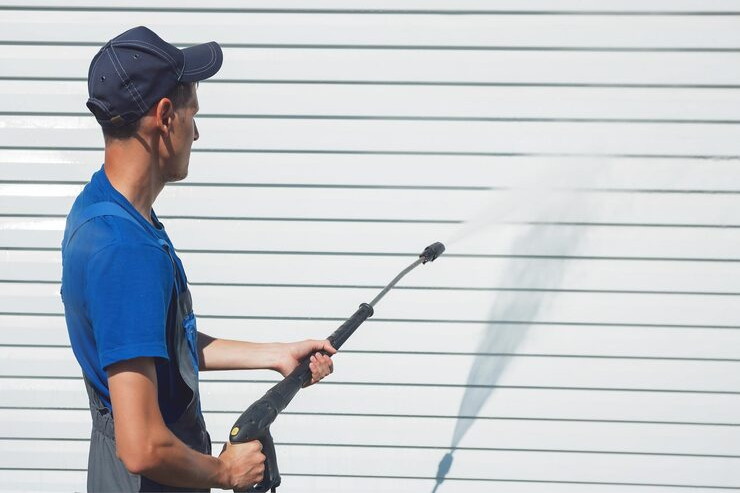
Soft washing is a specialized exterior cleaning method that combines biodegradable cleaning solutions with low-pressure water to safely remove dirt, mold, algae, mildew, bacteria, and stains.
Instead of relying on force, soft washing uses chemistry to break down contaminants at their source.
The process generally includes:
- Applying an eco-friendly cleaning solution
- Allowing the solution to penetrate organic growth
- Gently rinsing the surface with low-pressure water
- Leaving the siding clean without damage
Because the pressure used is similar to that of a garden hose, soft washing dramatically reduces the risk of cracking, warping, or forcing water behind the siding.
Why Vinyl Siding Requires Gentle Cleaning
Vinyl siding is designed to withstand changing weather conditions, but it isn’t designed to handle excessive water pressure.
Many homeowners assume that stronger pressure equals better cleaning. Unfortunately, that’s one of the biggest misconceptions about exterior maintenance.
High-pressure washing can cause problems such as:
- Cracked siding panels
- Loose trim pieces
- Water intrusion behind the siding
- Damaged caulking
- Oxidation streaks
- Faded finishes
- Bent or warped panels
Soft washing avoids these risks by cleaning the surface rather than blasting it.
Is Soft Washing Actually Safe?
Yes.
Professional soft washing is considered one of the safest cleaning methods for vinyl siding because it focuses on removing contaminants without damaging the material itself.
When performed by trained technicians:
- Low pressure protects the siding.
- Cleaning solutions eliminate mold and algae.
- Organic stains disappear naturally.
- Water doesn’t get forced behind panels.
- The original finish stays intact.
Many siding manufacturers actually recommend low-pressure cleaning methods over aggressive pressure washing.
Why Mold and Algae Are Bigger Problems Than Dirt
Homeowners often notice green streaks, black spots, or dark patches on the shaded side of their home.
These aren’t simply dirt.
They’re usually:
- Mold
- Mildew
- Algae
- Lichen
- Bacteria
These organisms feed on moisture and continue growing unless properly treated.
Simply blasting them with water removes the visible layer—but not the roots.
That’s why many homes look dirty again just a few weeks after pressure washing.
Soft washing kills these organisms at the source, providing much longer-lasting results.
Benefits of Soft Washing Vinyl Siding
1. Prevents Surface Damage
Because soft washing uses low pressure, it greatly reduces the risk of cracking or denting vinyl siding.
The cleaning process is gentle enough for older homes as well as newer installations.
2. Removes Organic Growth Completely
The cleaning solution doesn’t just rinse away dirt.
It actively kills:
- Mold
- Mildew
- Algae
- Moss
- Lichen
- Bacteria
This means your siding stays cleaner much longer.
3. Improves Curb Appeal
Nothing transforms a home’s appearance faster than clean siding.
Years of grime disappear, restoring the original color without repainting or replacing panels.
Homeowners are often surprised by how much brighter their home looks after a professional soft wash.
4. Extends the Life of Vinyl Siding
Organic growth traps moisture against the surface.
Over time this can contribute to premature aging, staining, and deterioration.
Routine soft washing removes these contaminants before they cause long-term problems.
5. Saves Money
Replacing vinyl siding can cost thousands of dollars.
Routine soft washing helps protect your investment by reducing wear and preventing avoidable damage.
Preventative maintenance is almost always less expensive than repairs.
Soft Washing vs. Pressure Washing
Many homeowners aren’t sure which cleaning method they actually need.
Here’s a simple comparison:
| Soft Washing | Pressure Washing |
|---|---|
| Uses low-pressure water | Uses high-pressure water |
| Cleans with specialized solutions | Cleans mainly through force |
| Safe for vinyl siding | Can damage siding if used incorrectly |
| Kills mold and algae | Often removes only surface growth |
| Longer-lasting results | Contaminants often return sooner |
| Ideal for delicate surfaces | Better for concrete and hard surfaces |
Pressure washing certainly has its place—for example, cleaning concrete driveways, sidewalks, and some stone surfaces.
Vinyl siding is different.
Its flexibility and overlapping panel design make soft washing the preferred option.
Signs Your Vinyl Siding Needs Soft Washing
Many homeowners wait until their siding looks extremely dirty.
Instead, look for these early warning signs:
- Green discoloration
- Black streaks
- White chalky buildup
- Yellow pollen stains
- Spider webs
- Dirt accumulation
- Mildew around windows
- Dark areas on shaded walls
- Water stains
- Musty odors outside
Cleaning early prevents contaminants from becoming deeply embedded.
How Often Should Vinyl Siding Be Soft Washed?
For most homes, professional soft washing every 12 to 24 months is sufficient.
However, homes located near:
- Dense trees
- Lakes
- Rivers
- Humid climates
- Heavy shade
- High pollen areas
may benefit from annual cleaning.
If your home experiences frequent mold or algae growth, yearly maintenance helps keep the exterior looking its best.
Is the Cleaning Solution Safe?
One of the most common concerns homeowners have is whether soft washing chemicals are safe.
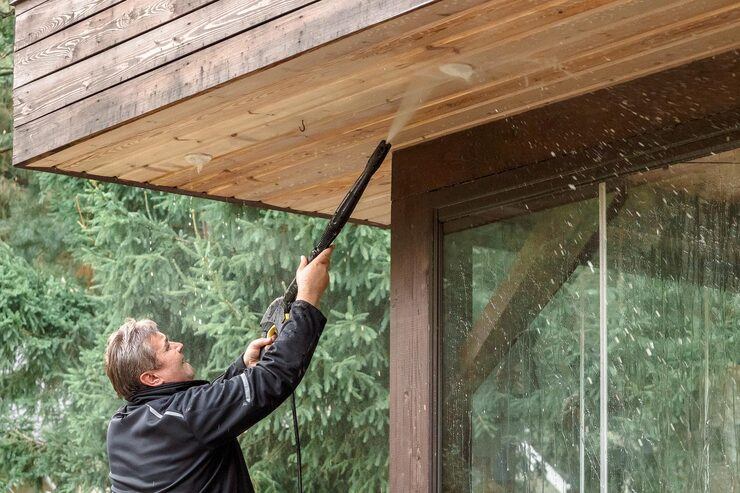
Professional contractors use specially formulated biodegradable cleaning solutions that are designed for exterior surfaces.
When applied properly, these solutions are:
- Safe for vinyl siding
- Effective against mold and algae
- Rinsed thoroughly after treatment
- Used according to manufacturer guidelines
Experienced technicians also take precautions to protect surrounding landscaping by pre-wetting plants, controlling application, and rinsing vegetation afterward.
Can Soft Washing Remove Black Streaks?
Yes.
Those ugly black streaks are usually caused by mold or algae—not dirt.
Because soft washing targets biological growth, it removes these stains much more effectively than plain water.
In many cases, homeowners notice a dramatic difference immediately after the cleaning process is complete.
Does Soft Washing Help Prevent Future Growth?
Yes.
Unlike pressure washing, which often removes only what’s visible, soft washing kills the microorganisms responsible for the staining.
That means:
- Slower regrowth
- Longer-lasting cleanliness
- Reduced maintenance
- Better overall protection
While no cleaning method prevents growth forever, soft washing typically keeps siding cleaner for much longer.
DIY Soft Washing vs. Hiring a Professional
Some homeowners consider renting equipment or mixing their own cleaning solutions.
While DIY cleaning may seem cost-effective, there are several risks:
- Incorrect chemical ratios
- Damage to nearby plants
- Streaking from uneven application
- Missed areas of mold growth
- Safety concerns when working on ladders
- Potential siding damage from improper pressure settings
Professional soft washing companies have the experience, equipment, and training to clean your home safely and thoroughly.
Common Myths About Soft Washing
Myth #1: High Pressure Cleans Better
Not necessarily.
High pressure removes visible dirt quickly, but it often fails to eliminate the organisms causing stains.
Soft washing attacks the root cause.
Myth #2: Soft Washing Doesn’t Last
In reality, soft washing often lasts longer because it kills mold and algae instead of simply rinsing them away.
Myth #3: Cleaning Chemicals Damage Vinyl
Professional-grade solutions are designed specifically for exterior surfaces and are used at carefully controlled concentrations.
When applied correctly, they clean effectively without harming properly installed vinyl siding.
Myth #4: Vinyl Siding Doesn’t Need Cleaning
Even maintenance-free siding benefits from regular cleaning.
Allowing mold, algae, and grime to build up over time can affect both appearance and longevity.
Additional Ways to Keep Vinyl Siding Looking Great
Soft washing works best as part of an overall exterior maintenance routine.
Homeowners can also:
- Trim bushes away from siding.
- Remove vines before they spread.
- Clean gutters regularly.
- Improve drainage around the home.
- Repair leaking hose bibs.
- Reduce standing moisture near exterior walls.
- Inspect siding annually for cracks or loose panels.
These small maintenance tasks help reduce conditions where algae and mildew thrive.
Frequently Asked Questions
Can soft washing damage vinyl siding?
No. When performed correctly using low pressure and professional cleaning solutions, soft washing is specifically designed to protect vinyl siding while removing dirt, mold, and algae.
Is pressure washing bad for vinyl siding?
Not always, but excessive pressure can crack panels, force water behind the siding, loosen trim, and damage caulking. That’s why soft washing is generally the safer option.
How long does soft washing last?
Results vary depending on climate, shade, and surrounding vegetation, but most homes stay cleaner for 12 to 24 months.
Will soft washing remove mold completely?
Soft washing removes visible mold and treats the microorganisms causing the growth, helping reduce the likelihood of rapid regrowth.
Is soft washing environmentally friendly?
Most professional contractors use biodegradable cleaning solutions and follow practices that minimize environmental impact while protecting landscaping.
Does soft washing increase home value?
A clean exterior improves curb appeal, creates a positive first impression, and can make a home more attractive to potential buyers, although it doesn’t directly increase appraised value on its own.
Final Thoughts
If you’re wondering whether soft washing is safe for vinyl siding, the answer is a confident yes. When performed by trained professionals using the proper equipment and cleaning solutions, soft washing is one of the most effective ways to restore your home’s exterior without causing damage.
Unlike traditional pressure washing, soft washing doesn’t rely on force. Instead, it gently removes dirt while eliminating mold, algae, and mildew at the source. The result is a cleaner, brighter home that stays looking its best for longer.
Regular soft washing also helps protect your investment by reducing the buildup of contaminants that can shorten the lifespan of your siding. Whether you’re preparing your home for sale, improving curb appeal, or simply keeping up with routine maintenance, this low-pressure cleaning method offers a safe, reliable solution.
Scheduling periodic soft washing is a simple step that can preserve the beauty of your vinyl siding for years while helping your home maintain a fresh, well-cared-for appearance.
