
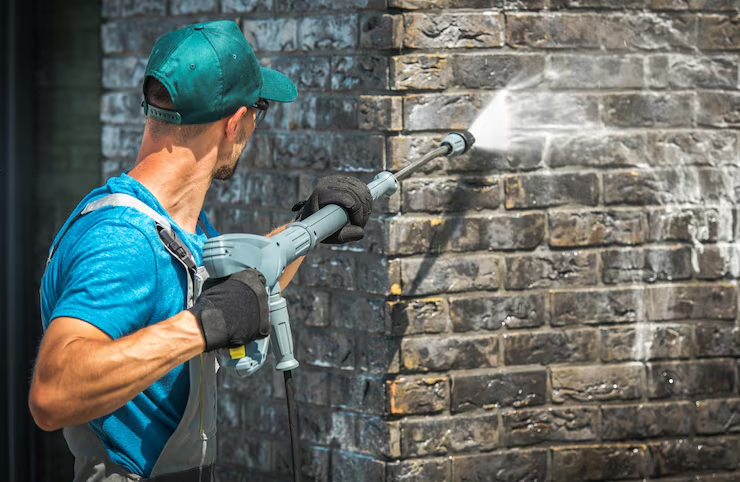
Pressure washing is one of the most effective ways to clean exterior surfaces, but many homeowners in Springfield, MO ask an important question: Is pressure washing safe for concrete, brick, and siding?
The short answer is yes — when done correctly. Using the wrong pressure, equipment, or technique, however, can cause damage. Understanding how pressure washing works on different surfaces helps you protect your home while keeping it clean.
Understanding Pressure Washing and Surface Safety
Pressure washing uses controlled high-pressure water to remove dirt, algae, mold, mildew, and grime from exterior surfaces. While effective, not every surface requires the same pressure level.
Professional pressure washing services in Springfield, MO adjust:
- Water pressure (PSI)
- Nozzle type
- Cleaning method (pressure washing vs soft washing)
This is especially important in Missouri’s climate, where humidity and seasonal weather contribute to algae and mildew buildup.
Is Pressure Washing Safe for Concrete?
Yes, concrete is one of the safest surfaces to pressure wash.
Concrete driveways, sidewalks, patios, and walkways are designed to withstand higher pressure when cleaned properly.
Benefits of pressure washing concrete
- Removes oil stains and tire marks
- Eliminates algae and slippery buildup
- Improves curb appeal
- Extends the lifespan of concrete surfaces
Important: Using excessive pressure or staying too long in one spot can cause surface etching. Professional equipment ensures even, safe cleaning.
Is Pressure Washing Safe for Brick?
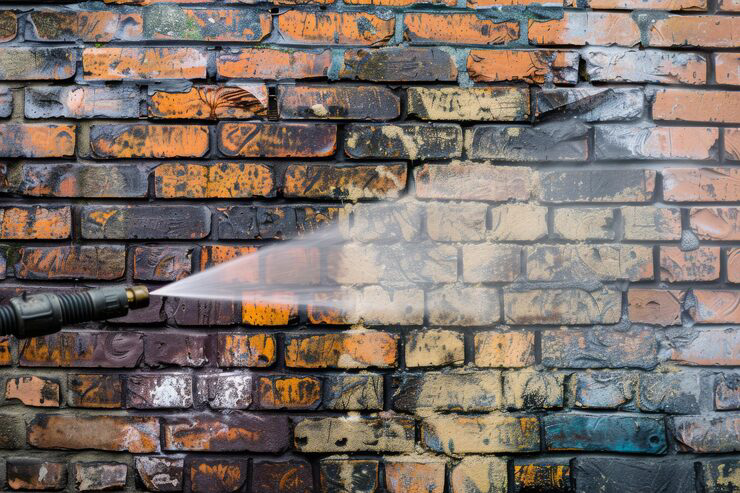
Yes, brick can be pressure washed safely — with proper care.
While brick itself is durable, the mortar between bricks is more delicate. Too much pressure can damage mortar joints or force water behind the surface.
Safe brick pressure washing includes:
- Moderate water pressure
- Correct spray angles
- Even cleaning motion
- Pre-treatment solutions to loosen grime
In Springfield, MO, brick surfaces often develop mildew and algae due to moisture and shade. Proper pressure washing removes these contaminants without harming the structure.
Is Pressure Washing Safe for Siding?
It depends on the type of siding.
Many siding materials should not be cleaned with high pressure. This is why professionals often recommend soft washing.
Common siding types and safety
- Vinyl siding: Safe with low to moderate pressure; high pressure can force water behind panels
- Wood siding: Requires extra care; high pressure can cause splintering
- Fiber cement siding: Durable but still needs controlled pressure
Soft washing uses low pressure combined with cleaning solutions to safely remove mold, mildew, and dirt without causing damage.
Why Professional Pressure Washing Matters in Springfield, MO
Missouri’s weather — including humidity, rain, pollen, and seasonal temperature changes — accelerates exterior staining and organic growth.
Professional pressure washing services in Springfield, MO understand:
- Local climate challenges
- Surface-specific cleaning techniques
- Proper equipment usage
- How to prevent surface damage
This ensures your concrete, brick, and siding are cleaned safely and effectively.
Common Pressure Washing Mistakes to Avoid
- Using excessive pressure
- Holding the nozzle too close to surfaces
- Using the wrong nozzle tip
- Skipping surface preparation
- Ignoring material-specific cleaning methods
These mistakes can lead to cracked siding, etched concrete, damaged mortar, and water intrusion.
Frequently Asked Questions
Can pressure washing damage concrete?
Concrete is durable, but incorrect pressure or poor technique can cause surface etching. Professional pressure washing prevents this risk.
Is soft washing better for house siding?
Yes. Soft washing is safer for most siding materials and effectively removes mold, mildew, and algae.
How often should concrete be pressure washed?
Most concrete surfaces should be pressure washed once a year, depending on traffic, staining, and environmental conditions.
Is pressure washing safe for older brick homes?
Yes, when lower pressure and proper techniques are used to protect aging mortar.
Can I pressure wash my home myself?
DIY pressure washing is possible, but improper use can cause damage. Professional services offer safer, more consistent results.
Does pressure washing increase curb appeal?
Absolutely. Clean exterior surfaces significantly improve curb appeal and property value.
Final Conclusion
Is pressure washing safe for concrete, brick, and siding in Springfield, MO? Yes — when the correct methods are used.
Concrete responds well to pressure washing, brick requires controlled pressure, and siding often benefits from soft washing. The key is choosing the right technique for each surface.
If you want safe, long-lasting results, working with a professional pressure washing service ensures your home is cleaned effectively without damage.
Learn more about our professional pressure washing services in Springfield, MO and how we safely clean concrete, brick, and siding.
